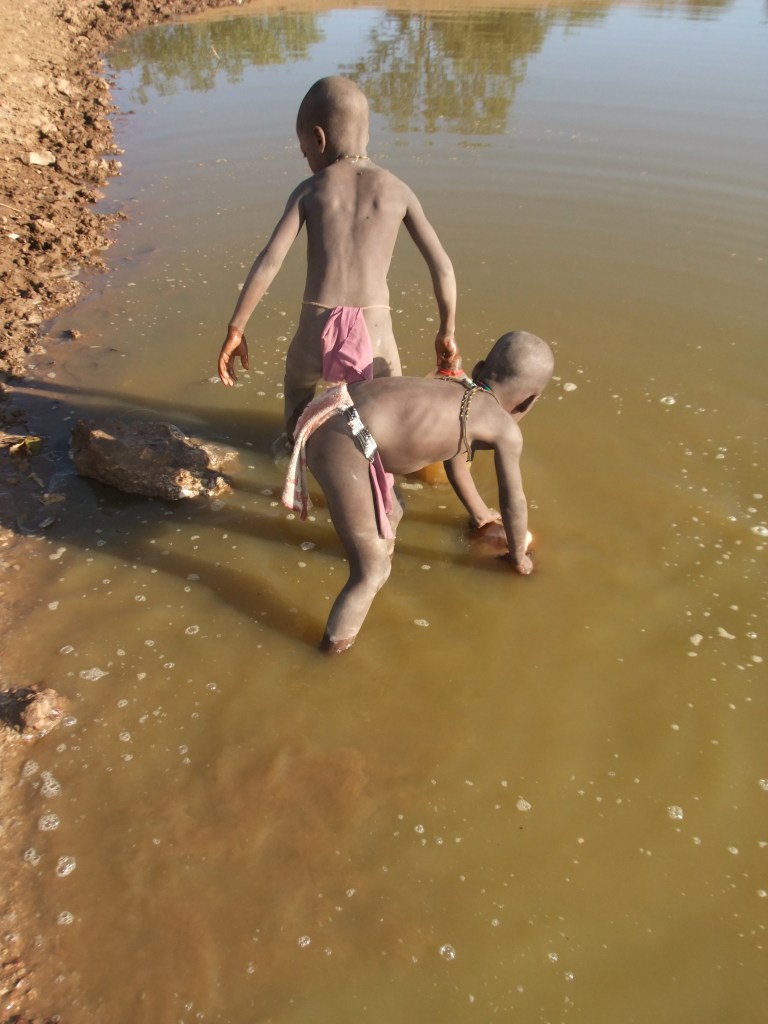
Children at a village near Opuwo in northern Namibia getting water to drink. Photo: Alvine Kapitako.
While battling to contain the Hepatitis E virus which has spread like wildfire and recorded 6746 cases in the last two years, authorities in Namibia have observed yet another trend- Hepatitis A is also on the rise.
In the last three years, there have been over 2 200 Hepatitis A cases recorded countrywide. Although official statistics confirm that there are 183 cases of Hepatitis A in the Omusati region in northern Namibia, where access to clean water and sanitation is poor and inadequate, there could be more people infected with Hepatitis A in the region and the country at large.
However sporadic cases have been observed in other regions within Namibia, according to officials. At this stage, not all regions in the country are sharing their statistics with officials in the Ministry of Health and Social Services as well as the World Health Organisation who have been monitoring the trend of Hepatitis E and recently Hepatitis A in the country.
Hepatitis A and E are similar because they are both caused by the ingestion of contaminated water or food. In most cases, Hepatitis A infections are mild and most people recover fully from the disease and remain immune from being further infected with the Hepatitis A virus, (see also World Health Organisation https://www.who.int/features/qa/76/en/).
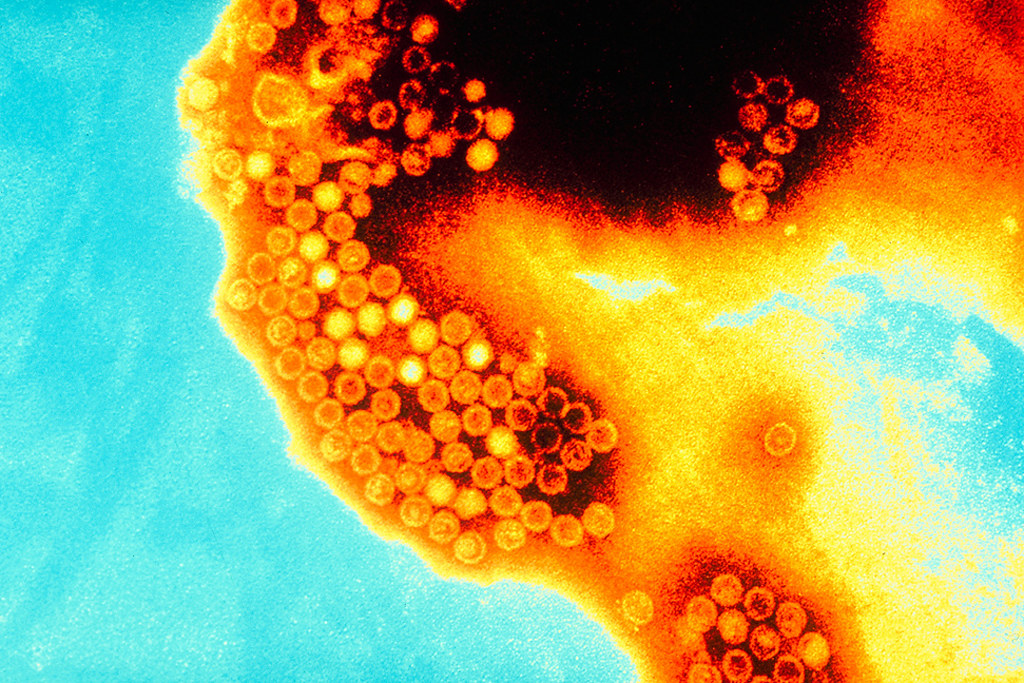
‘Hepatitis A virus’ image by Sanoti Pasteur is licensed under Creative Commons BY-NC-ND 2.0
Meanwhile, Hepatitis E is severe and a common cause of other types of Hepatitis outbreaks such as Hepatitis A. Both diseases tend to be prevalent in communities where there is poor access to clean water and inadequate sanitation.
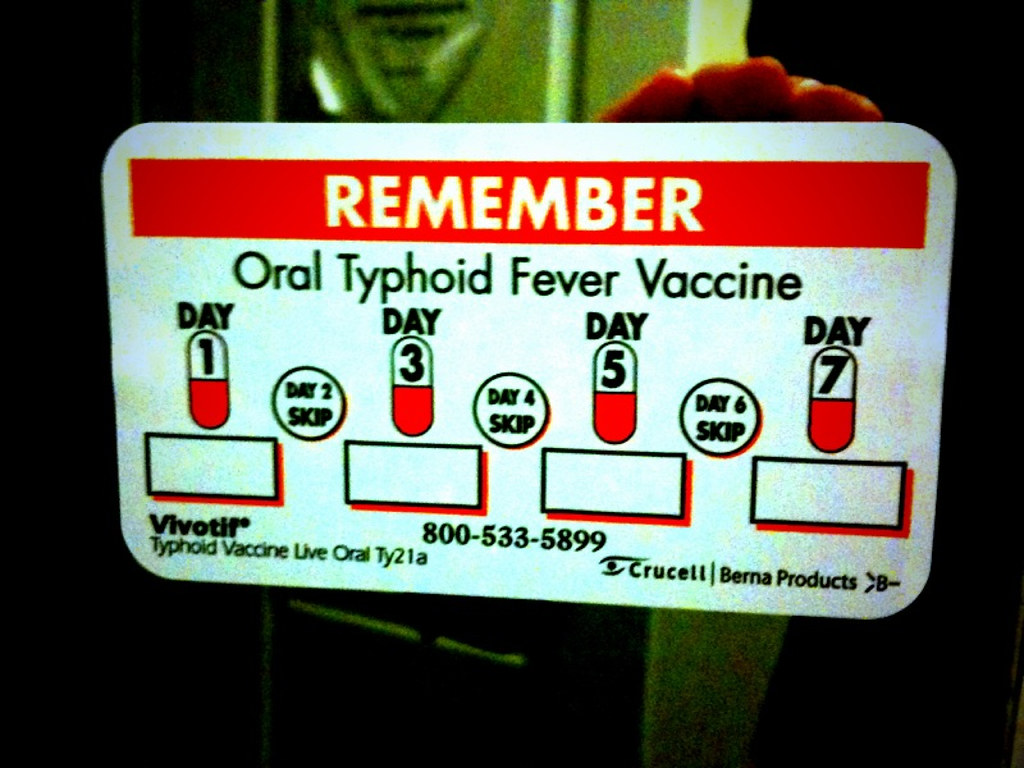
There are no laboratory facilities that are necessary for diagnosing and treating typhoid fever in Sierra Leone and health care professionals diagnose patients based on their symptoms.
Also, other tests are excluded from the government’s Basic Package of Essential Health Services, according to the study titled: ‘The invisible burden: Diagnosing and combatting typhoid fever in Asia and Africa’ authored by Virginia E Pitzer et al. The study which was published in October highlights an improved surveillance of typhoid fever following the 2014-2016 Ebola epidemic.
This resulted in more than 75 000 suspected cases of typhoid being recorded, the majority of which were diagnosed based on clinical signs and symptoms only.
Historical sources first mention typhoid fever in Sierra Leone in 1828. The disease is transmitted through contaminated water or food in that country.
Handwashing was first observed as an important tool in public health in 1846 when a Hungarian physician Ignaz Philipp Semmelweis discovered the importance of hygiene at a maternity clinic where women were dying in big numbers, semmelweis.org/about/dr-semmelweis-biography/.
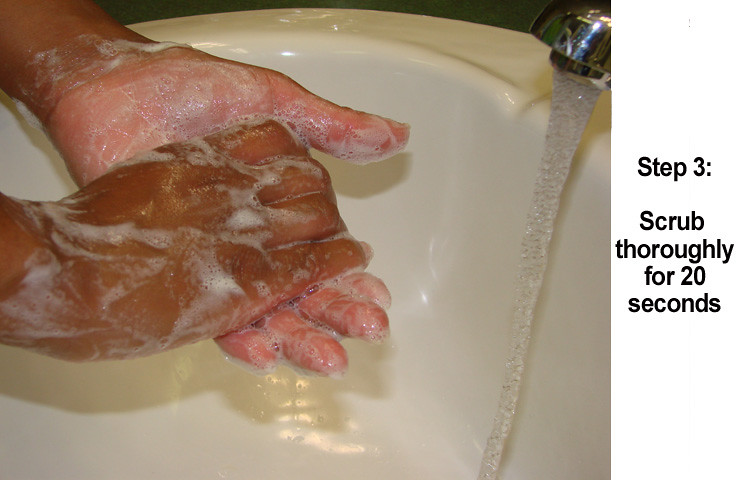
Nearly 200 years later, medical doctors, public health experts, and policymakers continue to advocate for people to wash their hands, especially with soap and running water to prevent diseases such as cholera, typhoid fever, and Hepatitis E and A viruses which in the developing world are linked to poor sanitation and a lack of access to clean water.
October 15 of each year, people across the globe commemorate handwashing day to encourage hand hygiene, yet there seems to be emergence and re-emergence of health epidemics especially those related to poor sanitation and hygiene in Africa. Namibia, for example, has been struggling to contain Hepatitis E and there has also been an increase in Hepatitis A infections for the last two years.
In Sierra Leone, a West African country with a population of about 7 million, sanitation and access to clean drinking water is a challenge. Zambia has struggled with cholera outbreak and I can give many other examples on the African continent of these infectious diseases all related to water and poor hygiene and sanitation but this just confirms research that coverage of basic handwashing facilities with soap and water varied from 15 percent in sub-Saharan Africa to 76 percent in western Asia and northern Africa. In 2015, most countries in Africa had less than 50 percent coverage with basic handwashing facilities. Of those with handwashing facilities in sub-Saharan Africa, 3 out of 5 were located in urban areas, https://globalhandwashing.org/handwashing-with-soap-where-are-we/.
You would think that the developing countries are the only ones struggling with handwashing but even in the developed countries convincing health care workers to take hand-washing seriously is a challenge, according to the Centers for Disease Control and Prevention (CDC).
Hundreds of thousands of hospital patients get infections each year, infections that can be deadly and hard to treat. The CDC says hand hygiene is one of the most important ways to prevent these infections. So why is it that a seemingly easy practice such as handwashing is difficult to achieve? Well, as can be denoted from this article, it is a development challenge but it is also an education challenge.
Developing communities and continuously educating people to maintain hand hygiene and good hygiene, in general, is important to reducing infections related to poor hand hygiene. Goal 6 of the Sustainable Development Goal (clean water and sanitation) is aimed at exactly addressing this. Another question is whether this goal would be achieved by 2030 when the SDGs come to an end. I believe that this would require serious commitment and action because the problem is not as easy to solve as it seems!
When ten-year-old Lilly Mae Avant and her family went swimming on Labor Day holiday (September 2, 2019), they had no idea that the healthy, high-spirited, country girl would be dead a few weeks later.
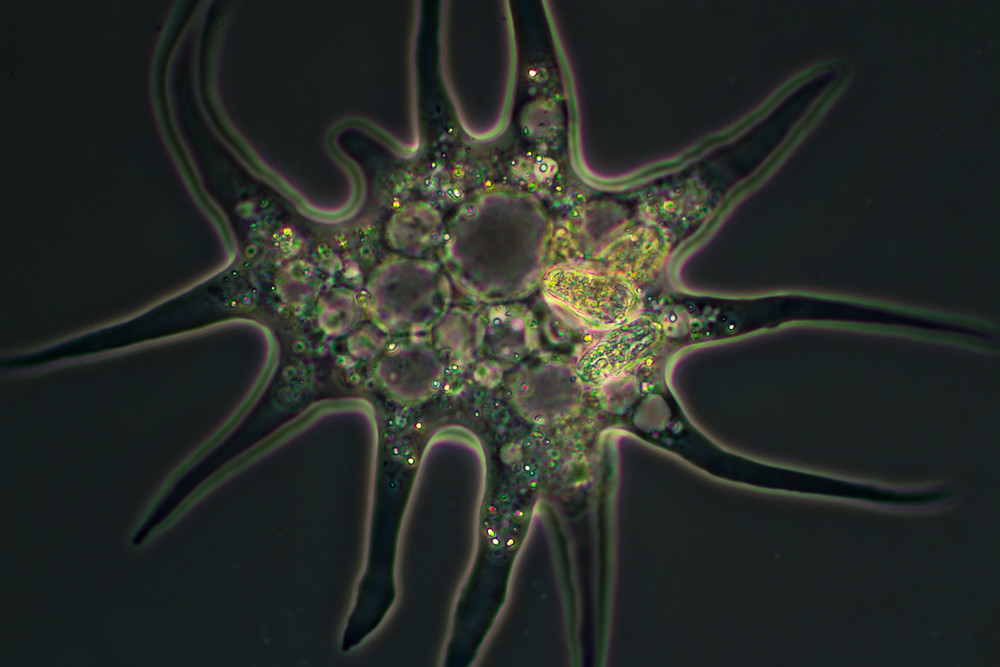
Avant died of brain-eating amoeba, which has a fatality rate of 97 percent. Naegleria fowleri is commonly known as brain-eating amoeba, a free-living, bacteria-eating microorganism that can be found in fresh waters such as lakes, rivers, and hot springs.
While it is a rare, this fatal infection of the central nervous system as the amoeba can travel up the nose and into the brain. Subsequently, the disease destroys brain tissue, causing the brain to swell, and resulting in death. The little girl from Texas probably contracted the deadly disease while swimming in Brazos River or Lake Whitney in Bosque County, near her home in Waco.
Despite the wide media coverage and the reality brain infection is currently rare, several scientists are concerned that as global temperatures rise, more people might contract Naegleria fowleri.
Some studies show that cases are increasing, and the amoeba is being found in new areas. Weather patterns and long-term climate change may be to blame. This is according to a 2012 study titled: ‘Fatal Naegleria fowleri infection acquired in Minnesota: possible expanded range of a deadly thermophilic organism’ by Sarah K. Kemble et al. Similarly, in his 2010 study titled: ‘Swimming with death: Naegleria fowleri infections in recreational waters’, Travis W. Heggie suggests that the condition was “previously thought to be rare” but the number of cases are increasing each year.
Nonetheless, between 1962 and 2018, only 145 individuals are known to have been infected in the U.S. North Carolina has had only five cases in the past 57 years, according to the North Carolina Department of Health and Human Services (NCDHHS).
However, this July, the health department confirmed another case of a 59-year old man who died of the rare brain infection after swimming in a Cumberland County lake.
Carl Williams, a spokesperson at the state health department, explained that Naegleria fowleri is usually associated with summer time when the surface waters are warmer. Unlike climate change experts, Williams is not sure if the rise in global temperatures are an indication of more amoeba cases in the future. “I don’t know the extent to which climate change might have an impact on that (Naegleria fowleri),” William says.
But if people are going to expose themselves to warm surface water, they may be at risk of contracting Naegleria fowleri, cautioned Williams.
“If people are going to jump in the water, we tell them to dive instead and not go in a way that water can be forced up your nose because that’s how people get exposed. But if you dive in with arms first usually you wouldn’t be exposed that way,” Williams said.
Although the infection can also be found in soil that’s damp, the exposure is often seen in surface waters. The infection is also found in ponds or small lakes where there might not be much current or flow, Williams said. “It can get very hot in the summer months so it’s an environmental organism but it’s not a contamination or by product of anything. It’s just there… like a lot of bacteria and when it’s forced up your nose in a manner that the amoeba gets access to the olfactory nerve, that’s where its pathogenesis starts.”
According to Williams, Naegleria fowleri is not a reportable condition in the state of North Carolina. “All we do is investigate the cases when we are made aware of them. It’s not on a list of the 75 or so conditions that are reportable, such as Lyme disease or salmonella, but because Naegleria fowleri infection is so rare and fatal, we try to provide assistance and investigate the cases,” said Williams.
Meanwhile, a few weeks after her death, Avant’s loved ones continue to cherish her time here on earth. A Facebook group with 22,000 members, #Lilystrong, is one of many ways her family and sympathisers keep her memory alive while also creating awareness on Naegleria fowleri.
The Hepatitis E virus outbreak in Namibia has revealed how severe the disease is in pregnant women and statistics show that the majority of deaths occur in this vulnerable population. Fifty-six people have died from Hepatitis E since the disease was declared an outbreak two years ago.
Thirty-six of the people who died from the disease were women and out of that number 24 were expectant mothers, according to official statistics from the Ministry of Health and Social Services in Namibia.
The remaining 20 people who died were men. Studies have found that Hepatitis E infection is high among women in Africa.
There is no doubt that pregnant women are at a higher risk of dying from the disease because their immune systems are compromised.
Their chances of surviving once infected with the disease are low. According to a study titled Hepatitis E and pregnancy: current state which was published in March 2017 in the https://www.researchgate.net/publication/315467107_Hepatitis_E_and_pregnancy_current_state during pregnancy, the immune system is altered to protect the foetus from attacks by the mother’s immune system, however, these changes also affect the way the immune system responds to infectious diseases or germs.
A postdoctoral fellow at the University of North Carolina Water Institute, Dr. Carmen Anthonj confirmed that the disease is severe in pregnant women and that is why they should be targeted with interventions to prevent them from contracting the disease.
My name is Alvine Kapitako and I am a Science Journalist based in the United States of America. I have experience in health and social reporting from my home country, Namibia. I have a keen interest in public health epidemics and this is partly how this blog came into being. When my Science Writing for the Media lecturer, Cat Warren, asked our class to individually start a blog on anything we’re passionate about, the first thing that came to mind was diseases. I then decided to narrow the idea down to waterborne diseases. Why waterborne diseases, you may ask? Because annually more than 3.4 million people die from waterborne diseases, according to the World Health Organisation. With this blog, I hope to share news and feature stories on different waterborne diseases in the simplest, yet captivating manner. Feel free to contact me via email: alvine.kapitako@gmail.com




 Focus on Waterborne Diseases