
Handwashing was first observed as an important tool in public health in 1846 when a Hungarian physician Ignaz Philipp Semmelweis discovered the importance of hygiene at a maternity clinic where women were dying in big numbers, semmelweis.org/about/dr-semmelweis-biography/.
Nearly 200 years later, medical doctors, public health experts, and policymakers continue to advocate for people to wash their hands, especially with soap and running water to prevent diseases such as cholera, typhoid fever, and Hepatitis E and A viruses which in the developing world are linked to poor sanitation and a lack of access to clean water.
October 15 of each year, people across the globe commemorate handwashing day to encourage hand hygiene, yet there seems to be emergence and re-emergence of health epidemics especially those related to poor sanitation and hygiene in Africa. Namibia, for example, has been struggling to contain Hepatitis E and there has also been an increase in Hepatitis A infections for the last two years.
In Sierra Leone, a West African country with a population of about 7 million, sanitation and access to clean drinking water is a challenge. Zambia has struggled with cholera outbreak and I can give many other examples on the African continent of these infectious diseases all related to water and poor hygiene and sanitation but this just confirms research that coverage of basic handwashing facilities with soap and water varied from 15 percent in sub-Saharan Africa to 76 percent in western Asia and northern Africa. In 2015, most countries in Africa had less than 50 percent coverage with basic handwashing facilities. Of those with handwashing facilities in sub-Saharan Africa, 3 out of 5 were located in urban areas, https://globalhandwashing.org/handwashing-with-soap-where-are-we/.
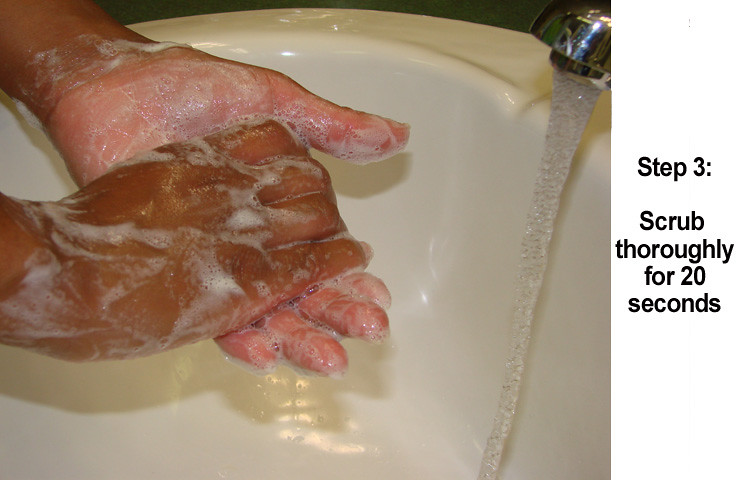
You would think that the developing countries are the only ones struggling with handwashing but even in the developed countries convincing health care workers to take hand-washing seriously is a challenge, according to the Centers for Disease Control and Prevention (CDC).
Hundreds of thousands of hospital patients get infections each year, infections that can be deadly and hard to treat. The CDC says hand hygiene is one of the most important ways to prevent these infections. So why is it that a seemingly easy practice such as handwashing is difficult to achieve? Well, as can be denoted from this article, it is a development challenge but it is also an education challenge.
Developing communities and continuously educating people to maintain hand hygiene and good hygiene, in general, is important to reducing infections related to poor hand hygiene. Goal 6 of the Sustainable Development Goal (clean water and sanitation) is aimed at exactly addressing this. Another question is whether this goal would be achieved by 2030 when the SDGs come to an end. I believe that this would require serious commitment and action because the problem is not as easy to solve as it seems!
 Focus on Waterborne Diseases